What is the Lifespan of a PCB Board Maker?
Lifespan of a PCB Board Maker
PCBs are a key component of many electrical devices and circuitry. They are used in a wide variety of applications, from simple computer connections to complex medical equipment and military technology. However, there are certain factors that can impact a PCB’s lifespan, including environmental conditions and usage patterns. In general, a well-designed and properly-manufactured PCB should last for years or even decades without issues.
One major issue that can shorten a pcb board maker lifespan is oxidation, which occurs due to the constant exposure of the copper metal to oxygen and moisture. Oxidation can affect the function of components on a circuit board, and can even cause them to fail completely. The use of protective materials during assembly and storage can help to limit this process. For example, using a desiccant bag or storing the board in a controlled environment can reduce moisture and oxidation.
Another factor that can influence the lifespan of a PCB is the quality of the manufacturing process. Although there are a number of tests that manufacturers follow, such as thermal shock testing, errors may occur during the production of a circuit board. These errors can impact the quality of the components and the performance of a circuit board, as they can interfere with the signal flow or create other issues.
In addition to the manufacturing process, other factors that can shorten a PCB’s lifespan include shipping and storage conditions. It is important to store PCBs in a temperature-controlled environment, as humidity can lead to corrosion and other damage. When storing PCBs, it is also recommended to use moisture-resistant bags and antistatic guards.
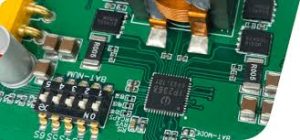
What is the Lifespan of a PCB Board Maker?
The plating used on a PCB can also affect its longevity. Different surface finishes have different shelf lives, depending on the type of material and its application. For example, traditional lead-based surface finishes typically have a shelf life of 2 years. Lead-free surfaces, on the other hand, have a shelf life of 6 months to 1 year.
Holes on a printed circuit board are usually drilled with a machine using a file that describes the location and size of each hole. The holes are then made conductive by electroplating them with copper, which allows them to connect the conducting layers of the PCB. Some conductive holes are intended for the insertion of through-hole-component leads, while others are used to connect surface-mount components.
During the fabrication and pre-assembly phases, a PCB is marked with a legend. This is often silkscreened with epoxy ink, but liquid photo imaging is becoming increasingly popular. The legend includes information such as component designators, switch settings, test points, and other indications that are helpful in assembling, testing, servicing, and using the board.
The final step in ensuring a long PCB life is proper storage. A good PCB manufacturer will store their finished boards in a temperature-controlled environment and sealed in a moisture barrier bag. They will also ship the finished products in a temperature-controlled vehicle to prevent moisture from forming on the surface of the board.