What is conformal coating in printed circuit board assembly services?
conformal coating in printed circuit board assembly services
Conformal coating in printed circuit board assembly services refers to a protective layer applied to the surface of a printed circuit board (PCB) after it has been assembled. This thin, transparent coating is designed to protect the PCB and its components from environmental factors such as moisture, dust, chemicals, and temperature fluctuations, all of which can cause damage or lead to malfunction over time. The process of applying a conformal coating is crucial in ensuring the longevity and reliability of PCBs, particularly in industries where the boards are exposed to harsh conditions or require high levels of performance.
The conformal coating is typically made from materials like acrylic, silicone, polyurethane, or epoxy, each offering different levels of protection depending on the specific requirements of the PCB. For example, acrylic coatings are easy to apply and provide good resistance against moisture and mild chemicals. Silicone coatings, on the other hand, offer greater flexibility and temperature stability, making them ideal for applications in extreme temperatures. Epoxy coatings are more rigid and provide excellent resistance to harsh chemicals and solvents.
The application of conformal coatings in printed circuit board assembly services involves several techniques. One common method is spraying, where the coating is applied evenly across the PCB using an automated or manual spray system. Another popular technique is dipping, where the PCB is immersed in the coating solution and then withdrawn, ensuring thorough coverage. Brush-on methods are also used for more localized or smaller applications. After the coating is applied, it is typically cured or dried to ensure it hardens properly, forming a protective layer over the PCB.
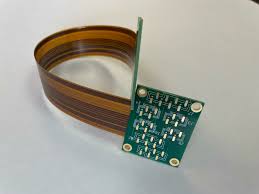
What is conformal coating in printed circuit board assembly services?
Conformal coatings play a critical role in enhancing the durability of printed circuit boards, especially in industries such as automotive, aerospace, medical, and industrial equipment. These sectors often require high-performance PCBs that must endure extreme environmental conditions. Without conformal coating, the PCB would be vulnerable to contamination, corrosion, and short circuits, which could ultimately lead to failure or a reduction in the device’s lifespan. By providing a barrier against these risks, conformal coatings ensure that the PCB remains functional and reliable over time, even in challenging environments.
In printed circuit board assembly services, the choice of conformal coating material and application method is determined by factors such as the operating environment, the expected lifespan of the product, and the type of components used on the PCB. For instance, in medical devices or critical electronics, the protective coating must meet stringent standards for reliability and safety, requiring careful consideration during the selection process. Additionally, the coating must be applied uniformly and without obstructing the fine connections between components, ensuring that the functionality of the PCB is not compromised.
Overall, conformal coating in printed circuit board assembly services is an essential process that safeguards the integrity of PCBs and ensures they continue to perform reliably under a variety of conditions. This protective layer enhances the longevity of the PCB, reducing the risk of component failure and increasing the overall performance of the devices they are part of. Whether it’s in a consumer electronic product or a high-end industrial application, conformal coating is a vital step in ensuring that printed circuit boards can withstand the challenges of their operating environments.