Are Great Danes Good Guard Dogs? What You Need To Know

WorldAnimalFoundation.org is reader-supported. When you buy through links on our site, we may earn an affiliate commission. Learn More
Choosing a dog for protection is a decision many make, seeking a faithful companion that can also ensure the safety of their home and family. In this quest, the choice of breed is crucial, as not all are suited for the role of a guard dog.
Enter the Great Dane, a breed that combines a protective nature with a “gentle giant” demeanor. Historically, Great Danes were esteemed guard dogs for centuries before they transitioned into the beloved family pets we know today. While modern breeding has somewhat softened their guarding instincts, certain breeders still focus on nurturing these traits.
Despite not being traditional guard dogs, Great Danes hold several qualities that might make them a viable choice for this role. Let’s explore why these towering canines could be more than just gentle companions, potentially serving as effective guardians for your home.
Reasons why Great Danes Make a Good Guard Dogs?
Discover why Great Danes, known as gentle giants, can surprisingly excel as great guard dogs, blending their imposing size with innate loyalty and protective instincts.
Big Size
Great Danes possess an appearance that can be quite intimidating, primarily due to their immense size. As one of the largest dog breeds globally, standing 28-32 inches tall and weighing between 110-175 pounds, their mere presence can be enough to deter potential intruders.
While they are affectionately known as “gentle giants,” their formidable size can make some people uneasy.
The mere presence of a guard dog like a Great Dane in your home can act as a significant deterrent to intruders. Often, the inability of an outsider to discern the specific breed through a window, coupled with the sight of such a large dog and the sound of a powerful bark, is more than enough to discourage unwanted visitors.
Natural Protection Skills
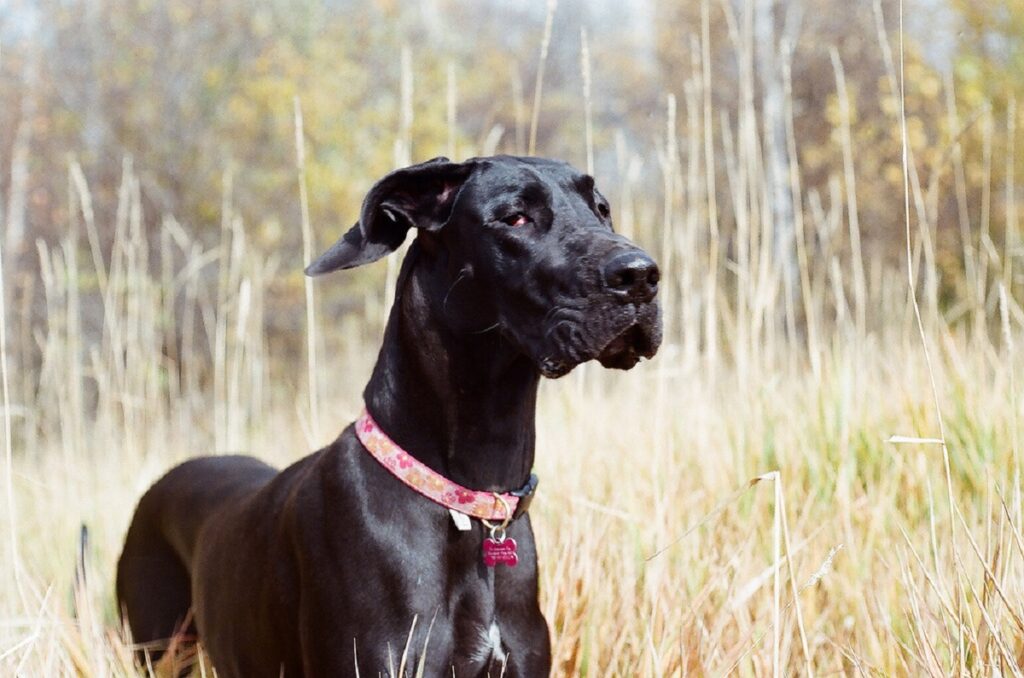
Great Danes can exhibit varying degrees of protective instincts, influenced significantly by their breeding. While many may not inherently possess strong protective traits, selective breeding can emphasize these qualities, echoing the breed’s historical guarding instincts.
As noted by the American Kennel Club, “Despite their sweet nature, Danes are alert home guardians.” This suggests that, with the right breeding, Great Danes can balance their gentle demeanor with an alertness suited for guarding.
For those seeking Great Danes with guarding capabilities, it’s important to research breeders who focus on cultivating these traits. Typically, these dogs maintain a gentle and friendly attitude towards family members but can become protective in the presence of potential threats.

Loyalty
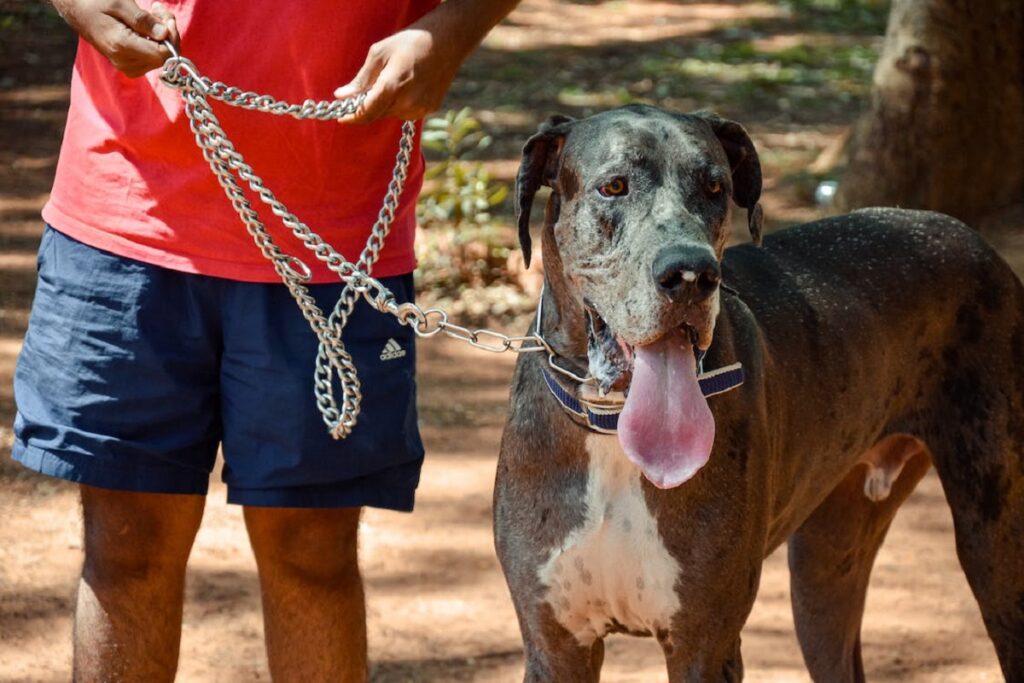
Great Danes are renowned for their deep affection and loyalty towards their families, a trait that is clearly evident in their interactions. They form profound bonds with their owners, which is a crucial characteristic of any family guard dog.
In situations where the family faces a threat, a Great Dane’s loyalty is paramount; it must supersede any instinct for self-preservation or fear.
These gentle giants are particularly known for their close connections with all family members, including children. Through careful training, this bond can be further strengthened, enhancing their natural guarding instincts.
Always Alert

Great Danes possess a commendable level of alertness, making them vigilant companions. Despite not being excessively vocal, their bark is notably loud and imposing, which can be quite effective in deterring potential intruders.
They often excel at noticing changes in their environment quicker than their owners, a trait that enhances their suitability as both watchdogs and guard dogs.
Even if your Great Dane leans more towards being a gentle, cuddly family member, they can still play a crucial role in home security. The sheer volume and depth of their bark alone can act as a significant deterrent, often enough to discourage potential intruders from attempting to breach your home’s security.
Easy to Train
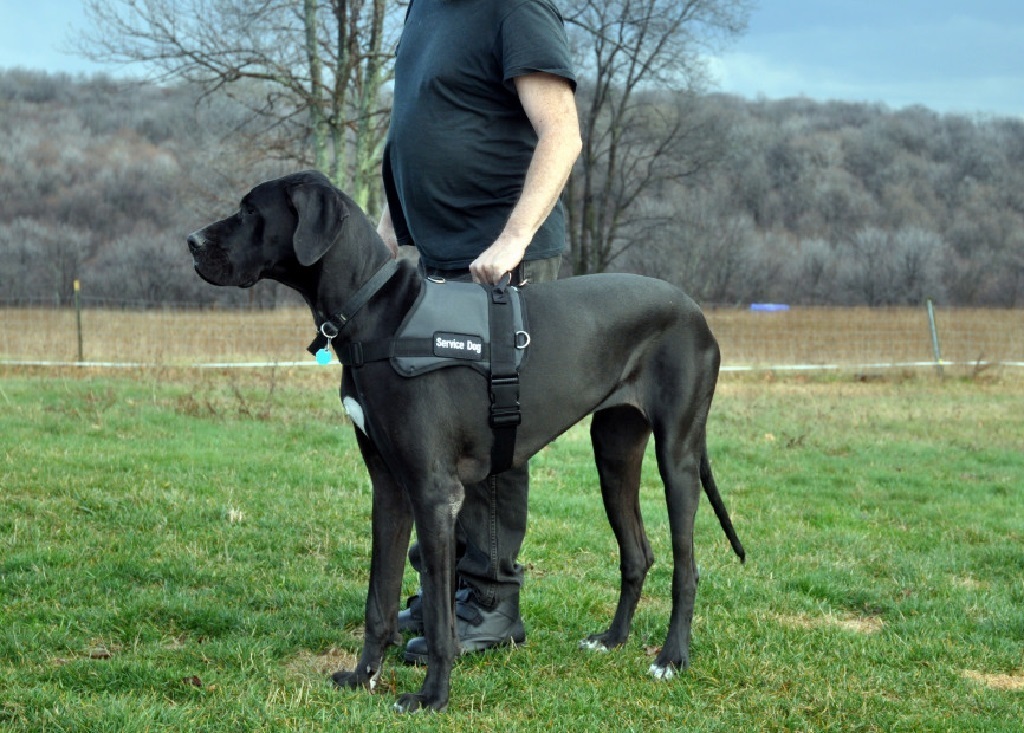
Great Danes are generally trainable, especially with early training and socialization. When taught basic commands and properly socialized, they are manageable and typically non-aggressive. Despite their “gentle giant” reputation, they are not automatically friendly to strangers.
Socialization and training are key to raising a well-balanced Great Dane. This is particularly crucial if they are to serve as guard dogs, as it’s important they don’t perceive every newcomer as a threat.
Good with Children
Great Danes are generally good with children, an impressive trait given their large size. However, proper and early socialization is key. To ensure they’re comfortable around kids, it’s important for them to interact with children of various ages, including those outside the family.
This helps prevent any overprotective behaviors towards children. Additionally, they should be exposed to common child behaviors like roughhousing and learn to recognize these as harmless. Without this understanding, a protective Great Dane might mistakenly interpret the play as a threat, potentially leading to accidents.
Patience
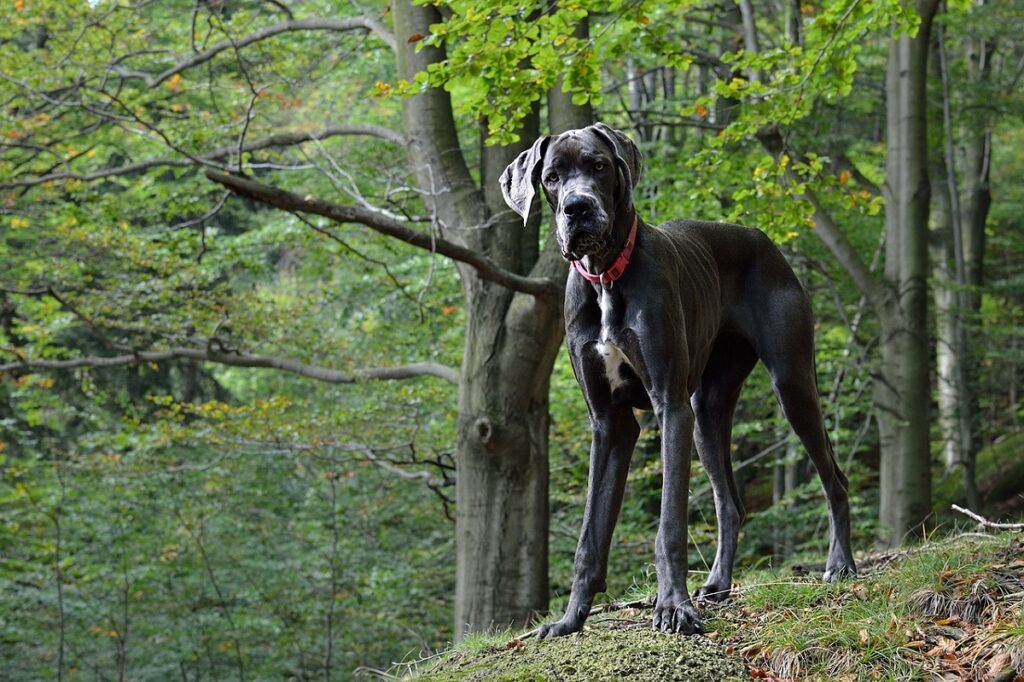
Great Danes are renowned for their patience and protective nature, qualities that make them excellent family pets. They have a distinctive and endearing habit of leaning against their owners when seeking attention.
Known for their gentle demeanor, Great Danes are particularly patient with children, further solidifying their reputation as loving and dependable companions in family settings.
Health Issues in Great Danes
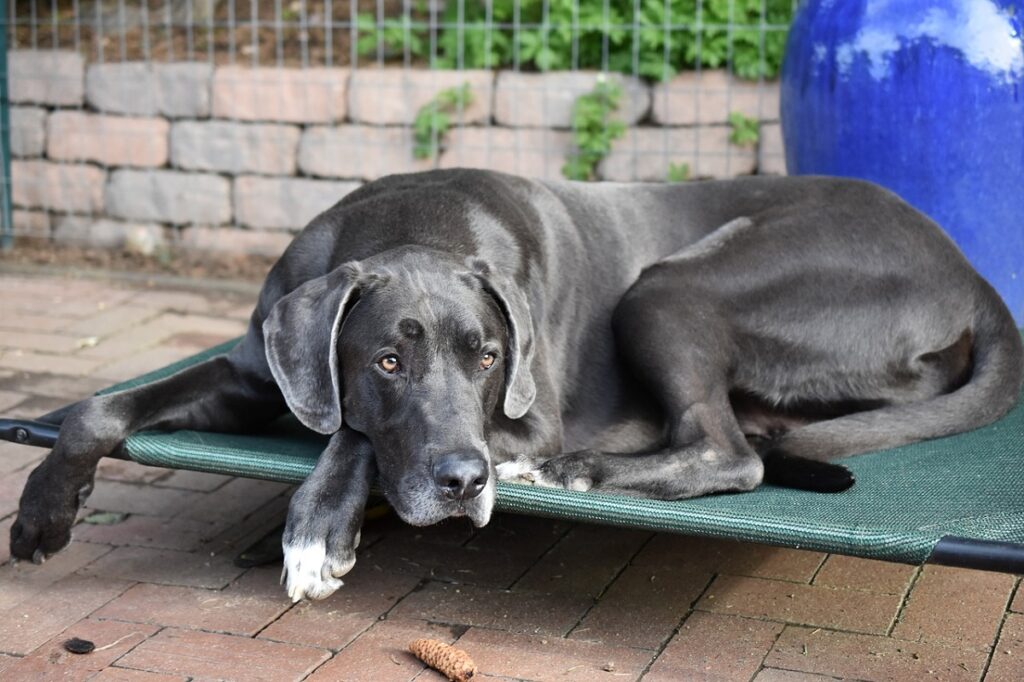
Great Danes typically have a lifespan of 7 to 10 years, with some reaching up to 12 years. However, they are prone to several health issues that owners should be aware of:
1. Bloat (Gastric Dilatation-Volvulus, GDV): This is the leading cause of death in Great Danes. It’s crucial for owners to recognize the signs of bloat and understand emergency measures. Prophylactic gastropexy, a preventive surgical procedure, is often considered by breeders and owners to mitigate the risk.
2. Heart Conditions: Great Danes are susceptible to various cardiac diseases, including cardiomyopathy, valve disease, subaortic stenosis, and patent ductus arteriosus.
3. Osteosarcoma: Bone cancer is a common health concern in Great Danes, partly due to their large size.
4. Bone and Vertebral Conditions: Their exceptional height makes them more prone to developing issues related to bones and the spine.
A responsible breeder will screen for these conditions to ensure the healthiest breeding stock. Prospective owners should be prepared for these potential health issues and may want to consider health insurance for their pets.
Regular veterinary check-ups and being informed about these conditions can help in early detection and treatment.
Conclusion
In wrapping up, Great Danes stand out among protective dog breeds, offering not just companionship but also serving as personal protection dogs. While they may not be the conventional good guard dog breed, their qualities at a young age suggest potential for being reliable guards.
Their inherent protective nature, combined with their ability to get along with other pets, makes a Dane an excellent choice for those seeking a guard dog.
With proper training from a young age, Great Danes demonstrate that they can indeed make good guard dogs, balancing their role as gentle family pets with their duties as guardians.
Their presence in a home offers a sense of security and loyalty, making them a commendable choice for anyone seeking a protective companion.