American Bulldog Vs Cane Corso: Detailed Breed Breakdown
WorldAnimalFoundation.org is reader-supported. When you buy through links on our site, we may earn an affiliate commission. Learn More
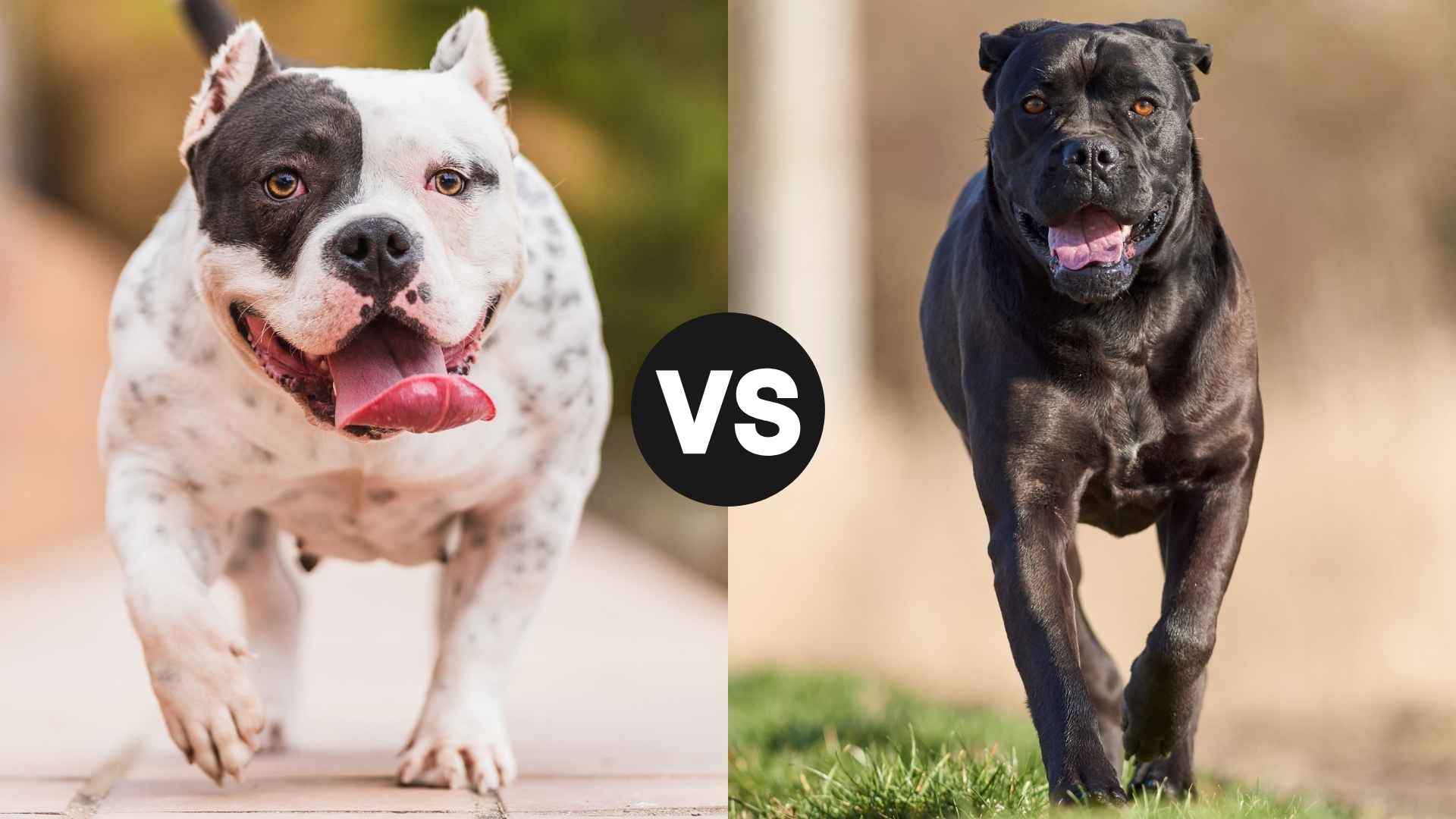
When it comes to strong, loyal, and commanding canine companions, the American Bulldog vs Cane Corso debate often takes center stage. Both breeds are muscular powerhouses with striking appearances and deeply devoted personalities, but they come from different worlds.
The American Bulldog, a homegrown hero, is athletic, agile, and friendly—built for work yet always ready for play. On the other side, the Cane Corso, hailing from Italy, is a confident and noble protector with a calm intensity that commands respect.
Combine them, and you get an extraordinary mix—but when choosing between the two purebreds, understanding their differences is key. From temperament and training to energy levels and family compatibility, this guide breaks down everything you need to know.
Whether you’re a first-time dog owner or considering your first large breed, we’ll help you decide which of these iconic canines is the right fit for your lifestyle.
American Bulldog vs. Cane Corso
The American Bulldog and Cane Corso may both be muscular, powerful breeds, but their histories and temperaments set them apart. The American Bulldog hails from the United States, descending from the English Bulldog. Known for their strength, agility, and affectionate nature, they strike a balance between being a reliable working dog and a loving family pet.
Loyal to the core and surprisingly gentle with children, American Bulldogs are friendly, eager companions who are just as content playing in the yard as they are guarding the home. Their broad heads, sturdy frames, and strong jaws give them an imposing look, but their social and sometimes silly personalities make them ideal for active families.
As noted by the American Kennel Club (AKC) Cane Corso comes from a noble lineage tracing back to ancient Roman war dogs. Bred as a working guardian, the Corso is intelligent, alert, and protective—traits that earned it a reputation as a fearless defender. With their massive build, intense gaze, and calm confidence, Corso carries the aura of professional guard dogs for families.
Though devoted and affectionate with their families, they are also assertive and require firm, consistent leadership and proper socialization. While the American Bulldog leans toward friendliness and versatility, the Cane Corso is more serious and vigilant, making it better suited for experienced dog owners looking for a watchful protector.
Visual Characteristics
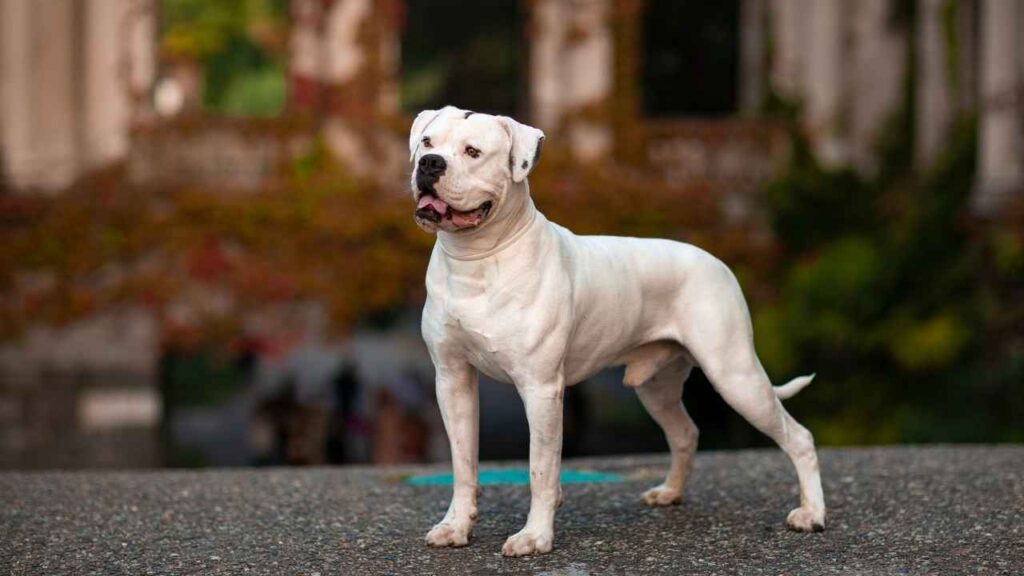
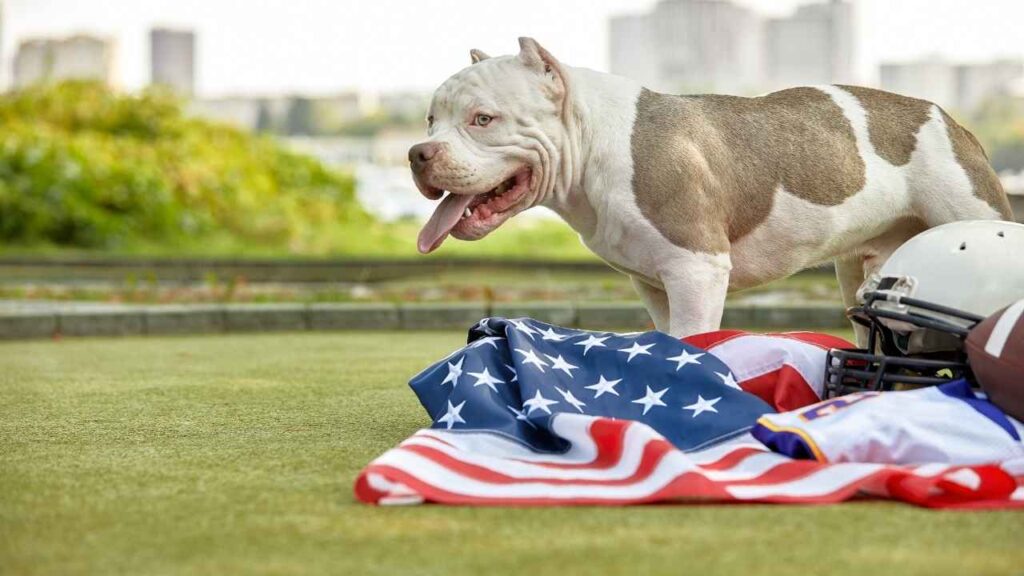
The American Bulldog stands between 50–70 cm tall and weighs around 60-100 pounds, presenting a sturdy, muscular build that leans more toward “massive” than tall. With a broad head, strong bones, and a lean but powerful physique, they give off a robust and athletic presence without appearing squat or heavyset. Their necks and legs are well-proportioned, lending to a balanced silhouette.

As noted by Purina, American Bulldogs have smooth, short coats that are easy to maintain but shed frequently, leaving short hairs that cling to clothing and furniture. Their overall appearance combines strength with agility, making them both striking and functional in their form.
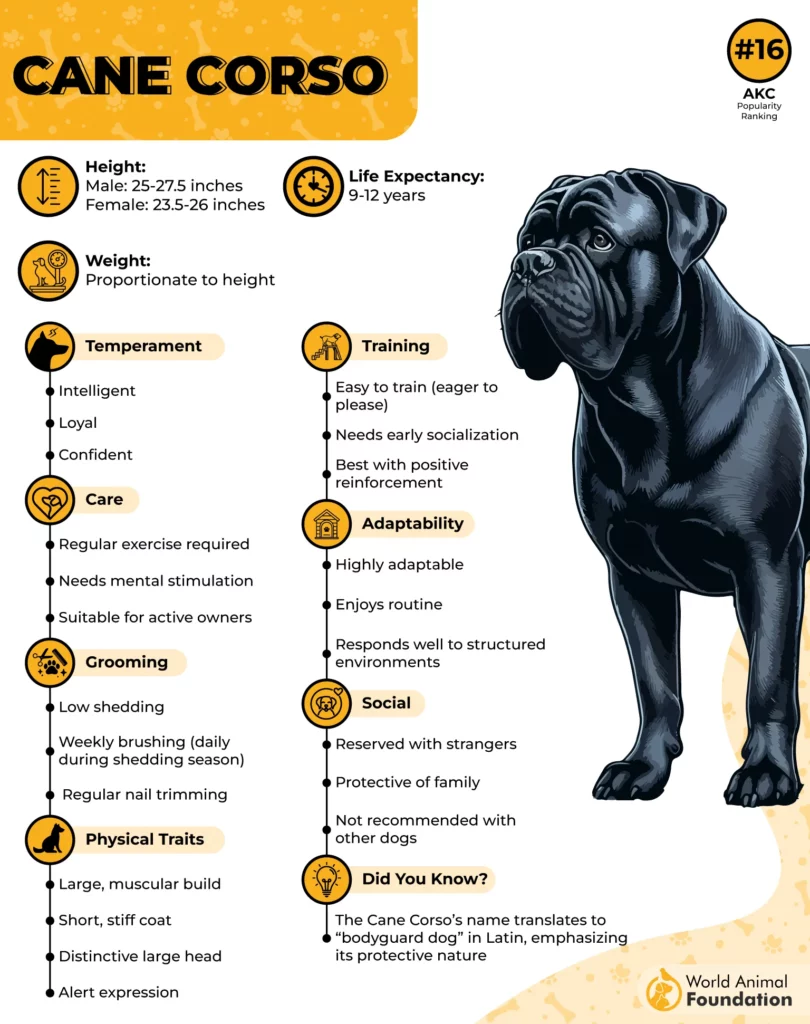
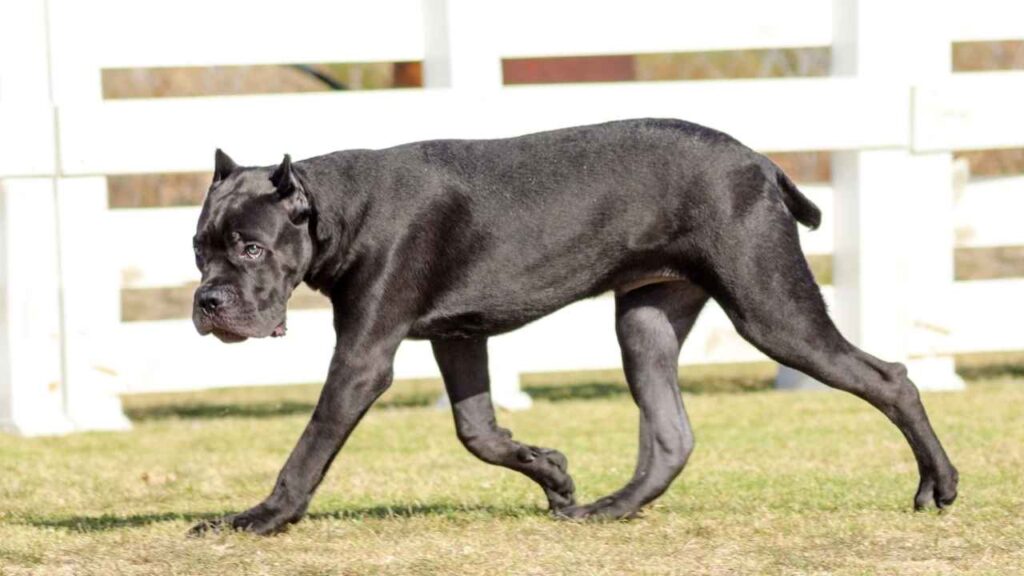
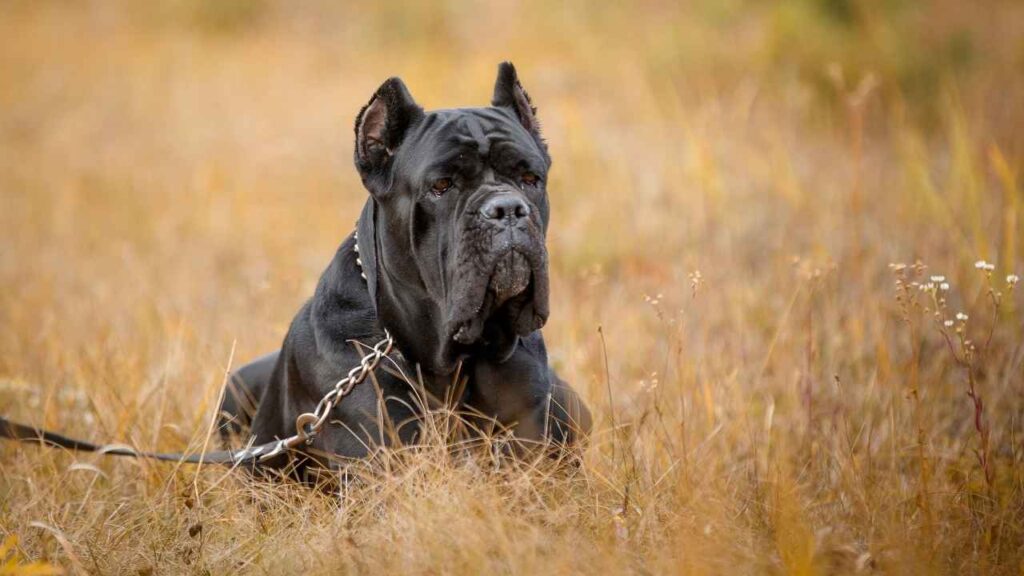
The Cane Corso, slightly taller and heavier, has a more rectangular and imposing body. Males typically stand 25–27.5 inches tall. Females are slightly smaller, measuring between 23.5 and 26 inches, with weights ranging from 99 to 120 pounds. Their powerful build features a broad chest, strong ribcage, and muscular limbs that support smooth, purposeful movement.
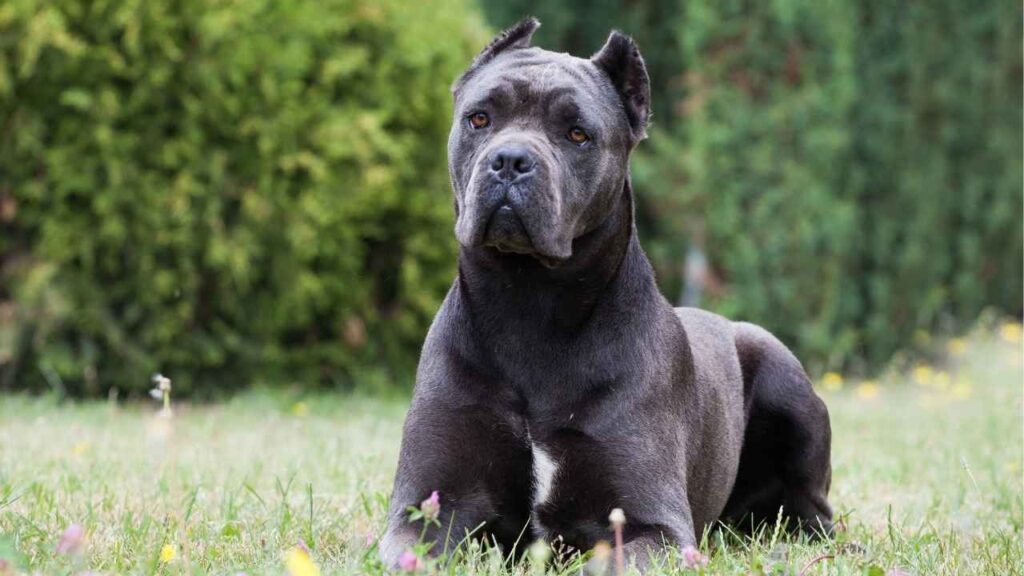
Corsi have large, square heads with boxy muzzles and high-set ears, though ear and tail docking are cosmetic and unnecessary. Their thick tails and arched toes add to their sturdy, confident look. Despite their size, Cane Corsos move with surprising grace, combining intimidation with elegance.
Personality and Temperament
The American Bulldog is known for its outgoing and loyal personality. Deeply attached to their families, they make excellent companions and are often protective without being overly aggressive. Their natural alertness means they will bark when something seems off, making them reliable watchdogs.
With proper training and early socialization, American Bulldogs typically get along well with children and other pets and cats. However, their guardian instincts and strong loyalty can make them cautious around strangers at first. Consistent social exposure from puppyhood helps ensure they grow into well-mannered, confident adults.
In contrast, the Cane Corso dog is more reserved and serious, shaped by its history as a guard dog and protector. These dogs are affectionate with their families but are not naturally friendly toward strangers or other breeds. Independent and strong-willed, the Corso requires experienced handling and firm, consistent training.
They aren’t typically suited for homes with small children or other dominant dogs, especially of the same sex. While they aren’t overly energetic or toy-driven, their natural drive and strength make them ideal protection dogs in the right hands.
Exercise and Activity Needs
The American Bulldog is a high-energy breed that needs regular physical and mental stimulation. Puppies should stick to low-impact activities to protect growing joints, while adults thrive on jogging, hiking, tug-of-war, and daily walks. Without engagement, they may develop behavioral issues, making regular exercise and interactive play essential for their well-being.
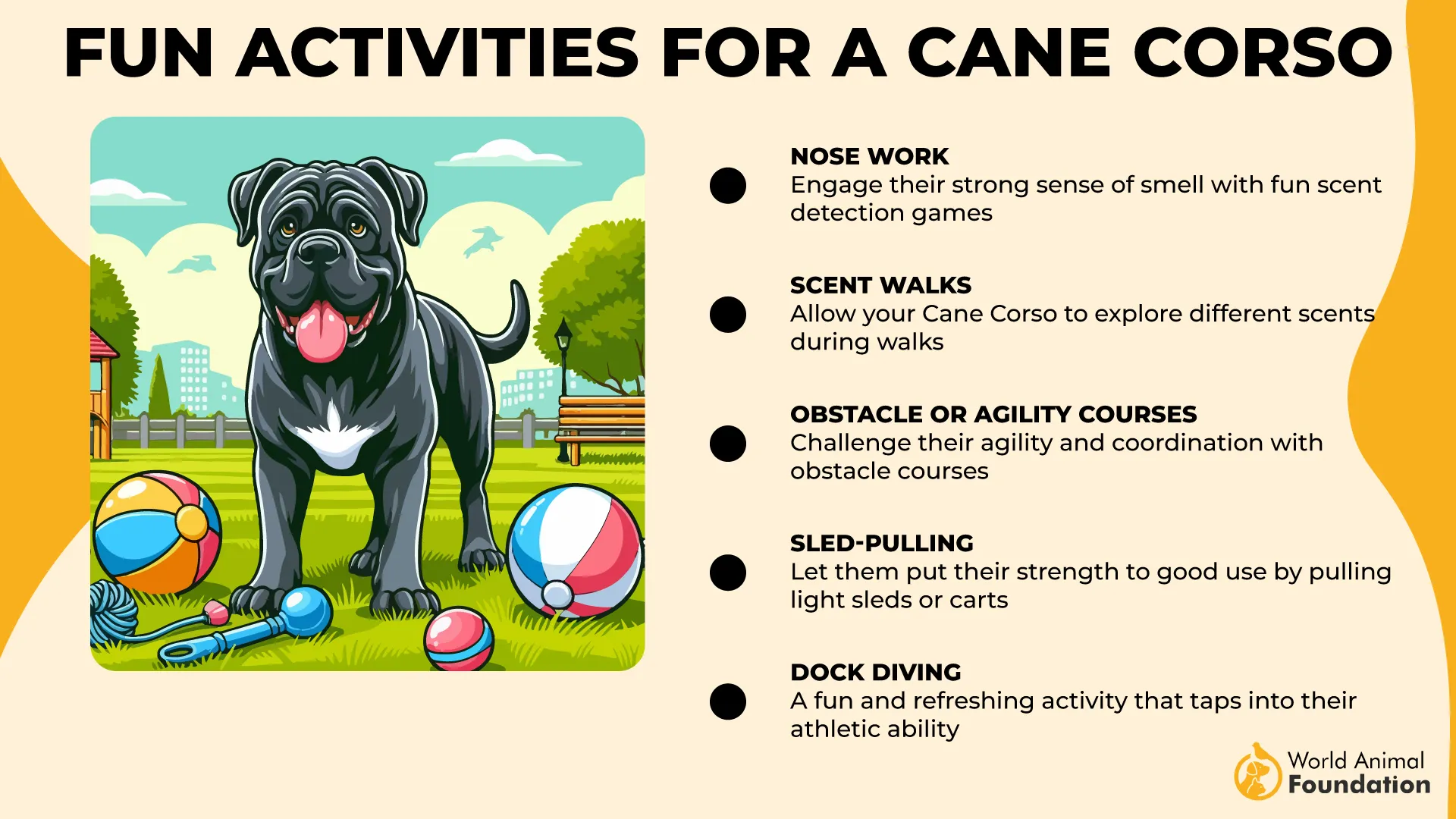
The Cane Corso also demands a high level of exercise, requiring at least a brisk walk or run twice a day. Their strong work ethic and muscular build make them ideal partners for long hikes, bike rides, or structured canine sports like agility, obedience, and tracking. In addition to physical exertion, they need mental challenges to stay content. Without enough stimulation, a Cane Corso may develop destructive or unwanted behaviors, making daily activity essential to their well-being.
Training and Intelligence
The American Bulldog is an energetic, intelligent breed that benefits greatly from early socialization and structured training. Establishing clear rules and routines from puppyhood helps shape a well-behaved, manageable adult. These dogs thrive under firm but affectionate guidance and need consistent boundaries to prevent dominant or unruly behavior.
Exposure to other dog breeds, people, and positive reinforcement training environments is essential to their development, as it helps channel their natural energy and reinforces good behavior both at home and in public.
Similarly, the Cane Corso requires early socialization and obedience training, but for this powerful breed, it is absolutely crucial. Cane Corsos are intelligent and typically eager to please, which makes them trainable, but they can also be dominant and highly protective.
Without early guidance, they may attempt to assert themselves as the leader in the household. Gentle, reward-based methods work best, as harsh discipline can lead to mistrust. With the right training, the Cane Corso matures into a loyal, composed, and well-mannered companion.
Health and Wellness Care
American Bulldog:
-
Prone to elbow and hip dysplasia; early screening by responsible breeders is important to prevent long-term pain or arthritis.
-
Can develop ichthyosis, causing itchy, flaky skin—mild cases require medicated baths; severe ones need daily care.
-
May suffer from environmental or food allergies, with symptoms like itching, hair loss, and ear infections—requires veterinary attention.
-
Generally, healthy dogs with an average lifespan is 10–12 years. Need proper care, exercise, and regular vet visits to manage breed-specific health issues, states PetMD.
Cane Corso:
-
Needs weight control to prevent hip and elbow dysplasia, health conditions common in large breeds. It can be managed through diet, exercise, and medication.
-
May develop idiopathic epilepsy around age 3, controlled with lifelong medication.
-
Prone to demodectic mange, especially in puppies or dogs with weak immune systems; treatments vary based on severity.
-
Susceptible to entropion, ectropion, and cherry eye—these cause irritation and require surgical correction.
-
At risk for gastric dilatation-volvulus—a life-threatening condition; preventive gastropexy surgery is recommended during spay/neuter.
Breeding and Lineage
The American Bulldog traces its ancestry back to 17th-century English bulldogs once used for bull baiting. When brought to North America, these powerful dogs were bred with other working breeds to enhance their utility on farms—herding, hunting, and guarding. Their near-extinction during WWI and WWII was reversed by breeders John D. Johnson and Alan Scott, who helped revive the breed.
Officially recognized by the UKC in 1999 and added to the AKC’s Foundation Stock Service in 2019, American Bulldogs are now prized for their loyalty, strength, and family-friendly disposition. Responsible breeding typically occurs once a year.
As noted by Britannica, the Italian Cane Corso descends from ancient Rome’s Molossian war dogs, bred for battle and guarding. Over centuries, the breed evolved in Italy as a farm dog capable of protecting livestock, herding animals, and even hunting formidable prey like wild boars. World conflicts nearly wiped out the breed, but dedicated preservation efforts in the 1970s restored its population.
The name “Cane Corso” reflects its guardian roots, meaning “bodyguard dog” in Latin. Like the American Bulldog, reputable breeders limit Cane Corso breeding to once a year to preserve health and genetic quality.
Conclusion
In conclusion, both the Cane Corso and American Bulldog are healthy, active dogs known for their protective nature and loyalty. While the Cane Corso tends to have a denser coat and a more serious demeanor, the American Bulldog is a well-rounded companion with a higher energy level.
Properly trained, these breeds can thrive alongside other dogs and adapt well to different weather conditions. For inexperienced owners, understanding the unique needs of each breed—including quality time, exercise, and high-quality dog food—is essential to raising happy, balanced pets.
Choosing between these two powerful breeds ultimately depends on your lifestyle and ability to meet their specific care requirements.